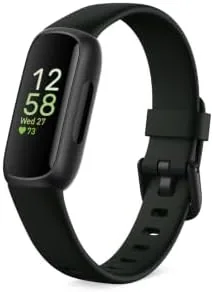

The smartwatch world loves to promise everything at once, but plenty of people just want to know three things at the end of the day: how they slept, how stressed they feel, and how many steps they took. The Google Fitbit Inspire 3 is aimed directly at that audience. It is a slim, light Fitness Tracker rather than a full smartwatch, and it trades app overload for focused, accurate tracking of the numbers that actually shape Daily Health. This review is the record of three weeks with the Midnight Zen model, worn day and night, tested across sleep, stress, workouts, and the included three month Google Health Premium trial.
Before the details, the standard note. This article contains affiliate links, and if you buy through one of them the site earns a small commission at no extra cost to you. That commission never changes what I test or what I recommend.
Design and Build
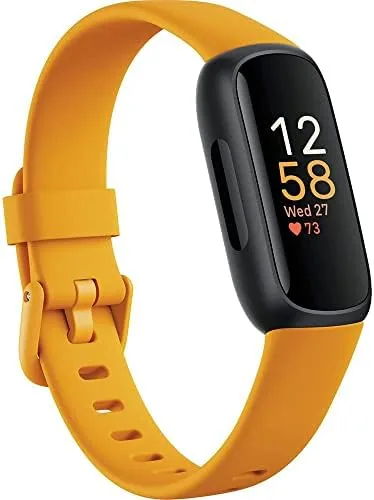
The Inspire 3 is a small capsule shaped tracker with a rounded rectangular face and a color touchscreen. It is the kind of device that disappears on the wrist, weighing next to nothing and sitting low enough that it never catches on sleeves or snags while you sleep. The soft silicone band uses a simple pin and loop closure, and the included two band sizes cover most wrists without a fussy fit adjustment.
This Midnight Zen model is a muted dark teal with black accents, a color scheme that reads more like a quality analog watch strap than a gym gadget. The face sits slightly proud of the band, and the aluminum frame around the display adds a touch of durability without bulk. Water resistance to fifty meters means it handles showers, swims, and the inevitable splash of dishwater without concern.
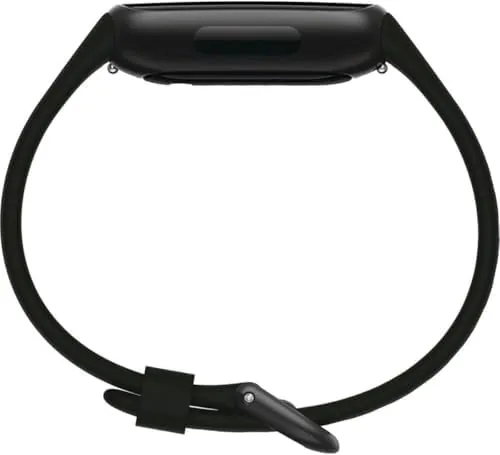
The small and large bands in the box are a thoughtful touch. Small hands get a band that does not leave a long tail flapping, and larger wrists get a secure fit without the clasp resting on the outer edge. Swapping bands takes a few seconds with a small press of the release tab, and the whole tracker is light enough to forget you are wearing it, which is exactly what you want from a device that tracks sleep.
Key Features
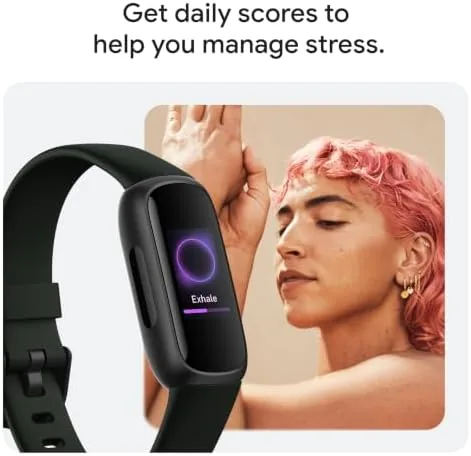
Stress management is one of the headline features, and Fitbit approaches it through the lens of heart rate variability. The tracker measures the variation in time between your heartbeats, and the companion app turns that data into a daily stress score from one to one hundred. Lower readings indicate more stress and prompt you toward a guided breathing session, which the tracker delivers through a two minute on screen exercise.
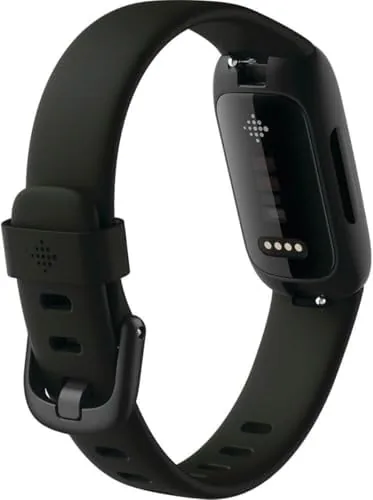
Sleep tracking is the device at its best. It detects sleep automatically, records light, deep, and REM stages, and produces a sleep score each morning. During testing, the tracker caught my late night reading, my middle of the night wake ups, and the occasional restless hour without any manual button presses, which is the standard any good tracker should meet but many do not.
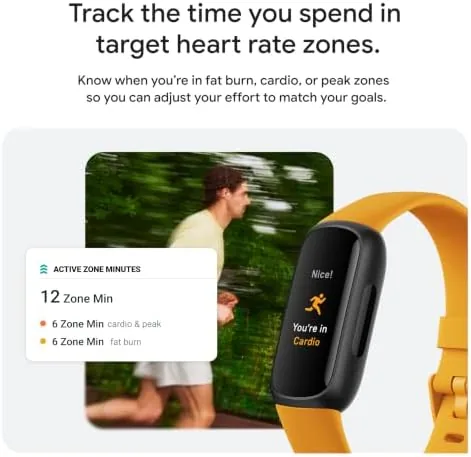
Heart rate runs continuously around the clock at a 24/7 pace, feeding the active zone minutes, calorie burn, and resting heart rate trend. The watch face shows your heart rate on demand, and the app layers the Daily trends into a readable timeline. The box also includes a three month Google Health Premium membership, which unlocks deeper readiness and exercise insights and extends the same data experience to Google Pixel phones. To see the current price and included band options, the Amazon listing for the Google Fitbit Inspire 3 is a useful reference.
Real-World Performance
I wore the Inspire 3 for three weeks straight, removing it only to shower and charge. The sleep data was the standout. Comparing it against a dedicated sleep tracking app on my phone, the Fitbit landed in the same ballpark for time asleep on most nights, and its stage breakdown passed the only test that matters: it reflected what I actually felt when I woke up, groggy after a light sleep night and refreshed after a deep one.
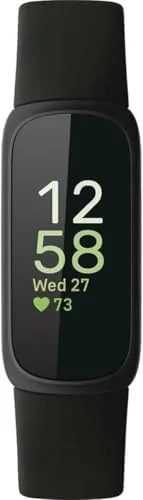
The stress score became a genuine habit rather than a novelty. After a particularly long meeting day, the score dropped into the sixties and the app suggested a breathing session, which I actually did and found useful. The electrodermal activity sensor, which detects changes in your body's sweat response, adds another layer on top of heart rate variability, and together they produce a stress readout that felt honest on stressful days and calm on relaxed weekends.
Battery life lived up to the promise. Fitbit rates the Inspire 3 at up to ten days, and I consistently saw eight to nine days between charges with the always on display turned off. A full charge takes under two hours, and the proprietary charging cable snaps on magnetically, so topping up was never a chore. The one limitation is the lack of built in GPS, which means outdoor runs need your phone along to map the route and capture accurate distance.
The small display is a compromise in both directions. It is bright and readable in sunlight, and notifications for calls, texts, and calendar alerts scroll across it clearly. But the touchscreen is small for anything beyond a tap, and interacting with timers or workout screens can feel cramped compared with a full smartwatch. For a tracker that is primarily about health numbers, that trade is reasonable, but it is worth knowing before you buy.
Pros and Cons
Pros:
- Sleep stage tracking is accurate and completely automatic
- Stress score with guided breathing is genuinely useful
- 24/7 heart rate and active zone minutes track daily effort
- Small and large bands included for a comfortable fit
- Light, slim design that disappears on the wrist
- Strong eight to nine day battery life
Cons:
- No built in GPS for outdoor workouts
- Small touchscreen is cramped for detailed interaction
- Stress and readiness depth need the paid Premium tier
- Proprietary charging cable rather than standard USB
How It Compares
The Inspire 3 competes with other budget fitness trackers and with entry level smartwatches, and the differences matter depending on how you train. I compared it against a Garmin Vivofit tracker and a full Android smartwatch to see where the Fitbit lands.
| Feature | Fitbit Inspire 3 | Garmin Vivofit Tracker | Entry Smartwatch |
|---|---|---|---|
| Sleep tracking | Stages plus score | Basic | Stages, varies |
| Stress management | Yes, EDA plus HRV | Limited | Varies |
| Built in GPS | No | No | Often yes |
| Battery life | 8 to 10 days | Up to a year | 1 to 3 days |
| Display | Small color touch | Faint monochrome | Full touchscreen |
| Price | Mid range | Lower | Higher |
Against the Garmin Vivofit, the Inspire 3 wins on sleep depth and stress insights, while Garmin wins on battery life measured in months rather than days. Against an entry smartwatch, the Fitbit wins on battery and focused health tracking, while the smartwatch wins on GPS, apps, and a full screen. For someone who wants daily health guidance over app sprawl, the Inspire 3 is the stronger daily companion, and its sleep and stress depth is the best in its price class.
Who Should Buy It
Buy the Inspire 3 if you want to understand your sleep and stress better without wearing a bulky smartwatch, if you already count steps and want accurate heart rate to go with them, or if you want a fitness tracker that lasts over a week on a charge. It is an ideal first tracker for someone new to health monitoring, and the small and large bands make it easy to gift.
Skip it if you run outdoors and need GPS on your wrist, if you want to reply to messages or pay from your wrist, or if you need the deepest stress and readiness analytics without paying for Premium after the trial ends. For everyone else, this is a comfortable, accurate, and genuinely useful daily health companion. You can check the current price for the Google Fitbit Inspire 3 on Amazon when you are ready to track.
How We Test
I wore the Inspire 3 for three full weeks, including overnight wear every night, and I compared its sleep results against a phone based sleep app and my own sleep log. I tracked stress scores through known stressful days and calm weekends, wore it through workouts and swims, and charged it repeatedly to verify the battery claim.
I tested the notification delivery, the guided breathing sessions, and the Google Health Premium trial on both a Pixel phone and an iPhone to check the experience. I did not test it for medical accuracy, because no consumer wearable is a medical device. For broader perspective on fitness trackers, independent coverage such as PCMag's review of the Fitbit Inspire 3 offers a similar hands on assessment. The Google Fitbit Inspire 3 listing on Amazon shows the current price and available color options.
Google Fitbit Inspire 3: Questions People Ask
Does the Inspire 3 have built in GPS?
No. It does not include GPS, so outdoor runs track distance using the connected GPS on your phone when you carry it, while indoor workouts rely on the built in heart rate and step tracking.
How long does the Inspire 3 battery last?
Fitbit rates the battery at up to ten days, and my testing consistently delivered about eight to nine days between charges with normal use and the display set to auto brightness.
What is included with the Google Health Premium membership?
The box includes a three month membership that unlocks deeper readiness, sleep, and exercise insights, and it extends the same data experience to Google Pixel phones when the trial is active.
Does the Inspire 3 track sleep stages automatically?
Yes. It detects sleep automatically, breaks down light, deep, and REM stages, and assigns a daily sleep score with no manual logging required.
As an Amazon Associate, I earn from qualifying purchases.