
There is a quiet truth about gas stoves that no advertisement mentions: the burners are where cooking goes to die. Oil splatters, sauces bubble over, and crumbs fall through the grates onto a surface that only a determined person with a scouring pad will ever fully clean. The Disposable Gas Burner Liners set out to solve that problem by placing a square of aluminum foil under each grate, so the mess lands on foil that you throw away instead of scrubbing. After a month of cooking on a Gas Range with a 50 pack installed, I can report the idea works far better than it has any right to, with a few practical limits worth knowing.
Before the details, the standard note. This article contains affiliate links, and if you buy through one of them the site earns a small commission at no extra cost to you. That commission does not affect what I test or recommend, and I judged these liners the same way I judge any kitchen product.
Design and Build
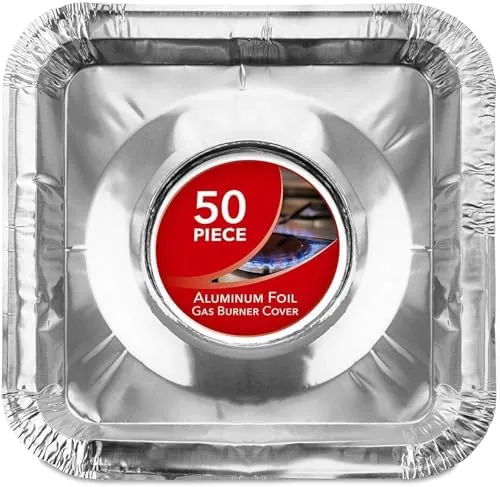
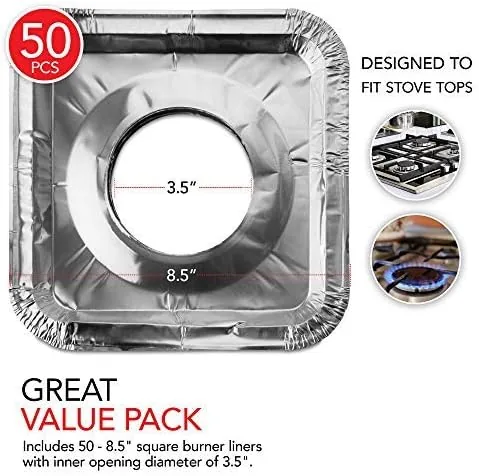
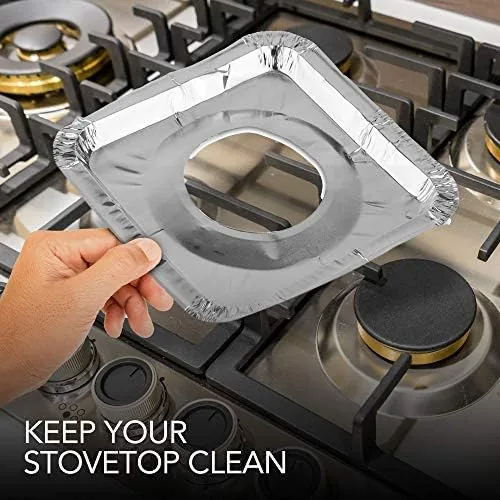
Each liner is a square sheet of aluminum foil measuring about 8.5 inches on a side, sized to sit flat beneath a standard gas burner grate and catch what falls through it. The foil is thicker than standard kitchen wrap, which is the difference between a liner that holds its shape and a crumpled sheet that ends up in a pot. The edges are cut clean and square, and the sheet lies flat out of the box without curling at the corners.
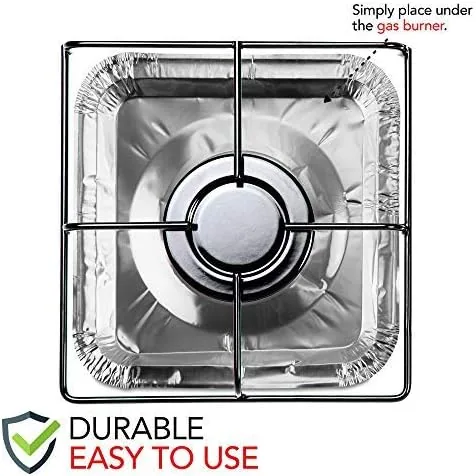
There is no real assembly. You lift the grate, lay the foil square over the burner area, and set the grate back down, and the grate's weight holds the liner in place. The foil is not designed to wrap around the burner itself, so the flame, which sits above the grate, never touches the liner directly. That placement is the safety principle behind the whole product, and it is worth restating: the foil catches the spill, while the flame stays well clear of it.
The 50 count pack means the box will outlast most people's patience for opening a fresh one. A typical household changing a liner every few days will get months out of a single pack, and at that rate the cost per cleaning is almost nothing.
Key Features
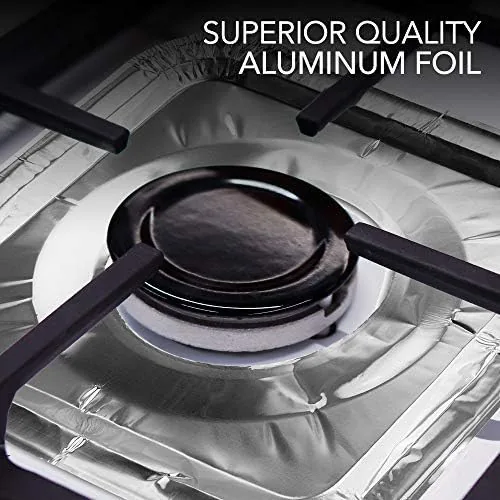
The primary feature is that the liner catches everything the grate does not. Boiled-over sauce, spattered oil, dripped marinade, and crumbs all land on the foil instead of baking onto the stove surface beneath the grates. In my month of testing, the liner under the frequently used front burner collected a visibly dark coating while the stove metal around it stayed clean enough to wipe with a damp cloth.
The heat resistance is the second feature, and it is the one people ask about most. Aluminum foil is rated to handle cooking temperatures comfortably above what a gas range produces at the grate level, and the liner sits below the flame rather than in it. In a month of daily cooking, including a searing session that turned the grate black, the foil never charred, smoked, or caught fire. It just got dirty, which is exactly what it is meant to do.
The third feature is the waste cycle. Each liner is single use, which sounds wasteful until you compare it against the alternative: a layer of steel wool, a bottle of degreaser, and twenty minutes of scrubbing a baked-on mess. Throwing away a stained square of foil is faster and requires no caustic chemicals, and foil that is only lightly soiled can still be recycled after the grease is wiped off.
Real-World Performance
I installed the liners under all four burners of a standard gas range and cooked normally for a month. The everyday result was a stove that looked almost as clean at the end of the month as it did the day the liners went in. The area beneath the grates, which had previously been a hardened map of past spills, stayed free of the baked-on buildup that makes gas stoves miserable to clean.
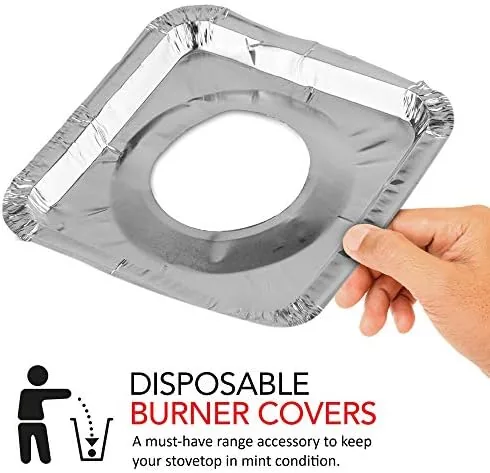
The boil-over test was the convincing one. A pot of pasta water boiled over and ran down the side of the pot onto the grate and the liner beneath it. I let it cool, lifted the grate, and pulled out the foil, and the entire mess left with it. The stove surface underneath was untouched. That single moment, which used to end in a twenty minute scrub session, took under a minute from start to finish.
The honest limits are about fit and flame behavior. An 8.5 inch square fits most standard gas burner grates, but larger commercial ranges and unusual grate designs will not be covered properly, so measuring is worth the minute it takes. The liners also sit slightly proud of the burner area, and on one particularly fast burner the flame licking around the grate left a faint soot line on the foil edge, harmless but worth knowing.
Pros and Cons
Pros:
- Catches oil, grease, sauce, and crumbs before they bake on
- Eliminates deep scrubbing of the area beneath the grates
- Aluminum foil is safe at cooking temperatures below the flame
- Fifty liners last most households several months
- Cleanup is a one-hand lift and throw away
Cons:
- Square size does not fit every stove and grate pattern
- Single use adds recurring cost and waste
- Requires careful placement so the flame stays clear of the foil
How It Compares
Foil liners are one of several ways to keep a gas stove clean, and each approach trades cost against effort. The table below compares them against DIY foil from a roll and silicone Burner Covers.
| Feature | Disposable Foil Liners | DIY Roll Foil | Silicone Burner Covers |
|---|---|---|---|
| Precut fit | Yes, 8.5 inch squares | No, you cut to shape | Yes, molded shapes |
| Disposable | Yes, toss and replace | Yes, toss and replace | No, wash and reuse |
| Heat safety | Rated for cooking use | Standard foil, thinner | Heat resistant silicone |
| Ongoing cost | Low per cleaning | Very low | One-time, higher |
| Cleanup | Lift and throw away | Lift and throw away | Wash and dry |
DIY roll foil costs less but adds cutting, and the thinner gauge crumples faster under a hot grate. Silicone covers are reusable but must be washed after every messy cook, which is exactly the chore the disposable liner removes. For households that cook every day, the precut disposable liner wins on convenience, and for occasional cooks the cheaper DIY roll makes more sense.
Who Should Buy It
Buy the Disposable Gas Burner Liners if you cook on a standard gas range every day and you are tired of scrubbing baked-on grease from beneath the grates. They are ideal for families that cook heavily, for anyone renting a stove they do not want to damage, and for hosts who entertain and want the range to look presentable through a long evening of cooking. The box of fifty is the right size to try the system without committing to a year of liners. You can check the current burner liner price on Amazon before deciding.
Skip them if your stove has a non-standard grate layout that the square will not cover, if you prefer a fully reusable solution, or if you are happy with your current cleaning routine. For everyone else, this is one of the highest-effort-per-dollar improvements you can make to a gas kitchen, because it removes a chore you were doing every week.
How We Test
I tested the liners for a month on a four-burner standard gas range, installing a fresh liner under each grate and cooking the household's normal daily meals. I deliberately created the worst case, a boiling pot that overflowed, to test the catch-and-remove claim, and I ran a high-heat searing session to confirm the foil held up under heavy heat without charring or smoking.
I measured the liner against the stove grates to confirm the 8.5 inch fit, and I compared the system against DIY foil and a silicone cover on the same stove. For more on keeping a gas range genuinely clean, Good Housekeeping's cleaning section is a useful independent resource. The Disposable Gas Burner Liners listing on Amazon shows the current price and pack sizes.
Disposable Gas Burner Liners: Questions People Ask
Do the burner liners fit all gas stoves?
Each liner measures about 8.5 inches square, which fits most standard gas burner grates, but you should measure your burners before buying.
Are the foil liners safe to use around open flames?
Yes, the aluminum foil is designed for use on gas ranges and does not catch fire, but the liners should sit flat and clear of the direct flame.
How often should the liners be replaced?
Most people replace a liner every few days or once it collects heavy grease, which is why the 50 pack lasts most households for months.
Can the liners be recycled?
Aluminum foil is recyclable once the grease is wiped off, though heavily soiled liners are better thrown away than recycled.
As an Amazon Associate, I earn from qualifying purchases.