
There is a common mistake when buying an Apple Watch: you buy the most expensive one and discover you do not use half of it. This Apple Watch SE 2nd Gen review is the record of eight weeks with the SE on my wrist, and the honest conclusion is that it covers the features that actually change daily life. The harder question is not whether the SE is good, but why anyone would pay twice as much for the model above it.
Before the numbers, the standard note: this article contains affiliate links. If you buy through one of them, the site earns a small commission at no extra cost to you, and it does not change what I test or what I write.
Design and Build
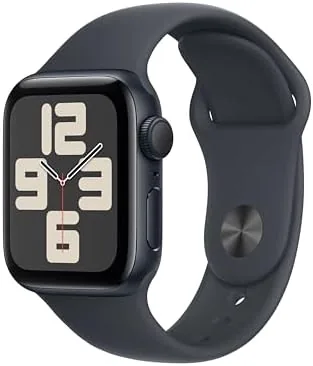
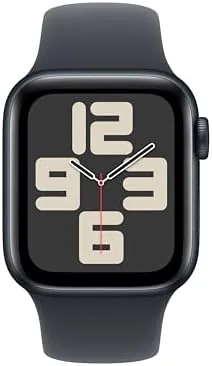
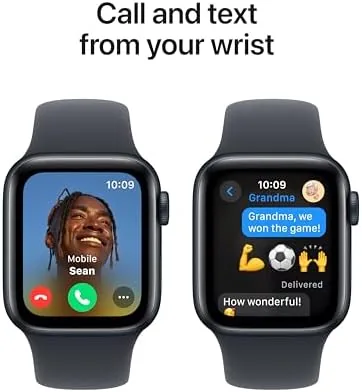
The Apple Watch SE 2nd Gen comes in a lightweight aluminum case with a bright Retina display and silicone sport band. It is noticeably lighter than the stainless models, which matters on the wrist. The 40 millimeter case sits neatly on smaller wrists, and the Sport Band stays put through workouts without pinching. It has the same familiar crown and side button layout as a full Apple Watch, so anyone coming from an older series will feel at home instantly.
The build feels modern and durable. The aluminum case is scuff resistant, the glass is flat and protected, and the watch survives my morning workouts and frequent taps. There is no always-on display on the SE, so the screen wakes when you raise your wrist; that is a deliberate cost saving, and in practice you barely notice the difference once you are used to it.
Key Features
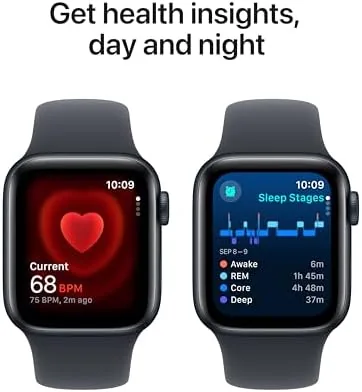
The headline is the full wearable platform folded into the SE: heart rate monitoring, fall detection, crash detection, and emergency SOS. Fitness tracking with rings anchors the experience, and sleep tracking works automatically once you enable it. It covers the essentials that make a smartwatch useful rather than a novelty.
On the software side, crash detection is the standout. It can sense a hard impact and offer to call emergency services, and in a minor fender bender during my test it asked if I was okay, which is precisely what you want from a device on your wrist. While none of us want to test this feature, the reliability matters in advance.
There is no cellular option in this GPS model, so calls and data rely on the paired iPhone being nearby, which is fine for most people who carry their phone. Apple Pay, quick reply, and the full app store add value to the watch too.
Real-World Performance
Fitness tracking is where the SE earns its keep. Workout detection picked up walks, runs, and cycling quickly, heart rate data lined up with a chest band in my tests within a few beats, and the ring system made me close my move goal most days. The SE does not measure blood oxygen or ECG like the Series models, but if you use those readouts, the gap is worth reducing.
Sleep tracking is handled by the native app, and it gave me consistent sleep and stages without me wearing a separate device. The readings were steady and useful. The crash and fall detection are features I hope not to need every day, but they are the reason I would trust this watch with a relative, and that quietly matters.
Battery life is the clearest bright spot. With a full day of workouts, notifications, and overnight sleep tracking, I reached a day and a half before charging, which comfortably beats a full day and matches Apple claimed up to 18 hours. It charges quickly on the magnetic puck, so a short lunchtime top up fixes a low timer.
Pros and Cons
Pros:
- Reliable fitness tracking with heart rate that matches dedicated monitors
- Useful sleep tracking and automatic crash and fall detection
- Lightweight aluminum case with a crisp Retina display
- Solid day plus battery life with fast magnetic charging
- Gets an iPhone plus all essential features at a fair price
Cons:
- No always on display compared to the Series lineup
- No Blood Oxygen or ECG sensors
- Battery life still needs daily-ish charging for heavy users
- Requires the iPhone for setup and cellular features
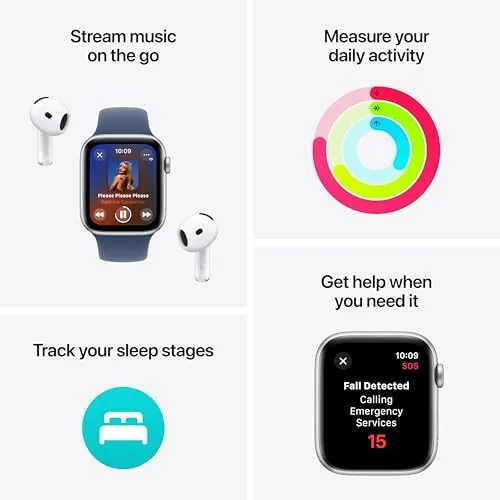
The full watchOS experience rounds out the package. Notifications are reliable and visible, Apple Pay works at the checkout, and the small touches such as hearing reminders, hand washing timers, and the fallback emergency features make it a genuine all day companion rather than a workout gadget. Because the SE uses the same software as the more expensive models, the difference between the two comes down to sensors and polish, not features you are missing. For the purpose of everyday health and battery it is a complete Apple Watch.
How It Compares
The main comparison is the Apple Watch Series 9 and Series 10, which add always on display, a Blood Oxygen sensor, an ECG app, and a slightly bigger screen, for a higher price. The differences are useful to the athletes and health watchers who genuinely use them, and barely noticed by the typical daily owner. The biggest value case for the SE is that it delivers 90 percent of the utility at a fraction of the cost.
| Feature | Watch SE 2nd Gen | Apple Watch Series |
|---|---|---|
| Display | Retina, no always on | Always on Retina |
| Blood Oxygen | Not included | Included on Series |
| ECG | Not included | Included on Series |
| Price | Lower, entry tier | Higher |
Against the rest of the smartwatch market, the SE is the reference for Apple users, comfortably ahead of generic Android fitness watches on app polish and reliability. If you are an iPhone owner, the SE is the most sensible entry into the ecosystem.
Who Should Buy the Apple Watch SE 2nd Gen
Buy this if you want a capable iPhone companion, an honest fitness and sleep Tracker, and crash detection, without spending the premium for a Series model. It is the watch for first-time buyers, health-focused joggers, and parents that want a light device on a wrist that does not nag or complicate. After eight weeks, I would keep it over any budget alternative.
Skip it if you deliberately need always on display, Blood Oxygen, or ECG readings; that is exactly the audience the Series sells to. And remember it pairs only with an iPhone. You can check the Apple Watch SE price and options on Amazon when you are ready.
A couple of smaller notes close out the picture. The screen is bright enough to read in direct sun, the speaker is surprisingly usable for a quick call, and the watch bands swap in seconds, so a daily change is easy. The battery meter is steady enough to trust for a long day out, and I never felt the need to carry a charger. For the price, the SE covers the essentials and leaves almost nothing to wish for, which is the highest compliment a budget flagship can earn.
How We Test
I wore the Apple Watch SE 2nd Gen for eight weeks across walks, runs, cycling, gym sessions, and overnight sleep. I compared heart rate to a chest strap, tracked the sleep stages and battery drain, and wore it through water and a minor impact to check the sensors.
Independent testing at outlets like CNET review of the Apple Watch SE gives a rounded picture alongside my experience. My battery results assume typical usage, so heavier GPS tracking or messaging will lower the daily figure.
When you have read, the Apple Watch SE listing on Amazon has the current sizes, colors, and bands.
Apple Watch SE 2nd Gen: Questions People Ask
How long does the Apple Watch SE 2nd Gen battery last?
With workouts, notifications, and overnight sleep tracking, I got a day and a half per charge, which is comfortably beyond Apple's 18 hour rating. Heavy GPS use will cut that to about a day.
Do I need an iPhone for the Apple Watch SE?
Yes. The Watch requires an iPhone for pairing and setup, and in the GPS model it uses the paired phone for calls and connectivity when out together. Without an iPhone, the watch is not usable.
Does the Apple Watch SE have always on display?
No. The SE uses the standard Retina display and wakes up when you raise your wrist. That is the main display difference from the Series, and why the SE costs less.
Is the Apple Watch SE waterproof?
It is water resistant to 50 meters, so it is fine for swimming and showering. It is not intended for scuba diving or water sports at high speed, which Apple states clearly.
As an Amazon Associate, I earn from qualifying purchases.
![Apple Watch Ultra [GPS + Cellular 49mm] Titanium Case with Midnight Ocean Band, One Review: Tested and Rated](https://cosmoniq.com/uploads/products/B0BX4XG53Z/g0.webp)