
When an air conditioner drain line clogs, the first sign is usually a wet spot on the ceiling or a puddle under the indoor unit. The fix sounds simple: clear the condensate line. But doing it properly usually means calling a technician, paying a service fee, and waiting a day for someone to run a vacuum through a pipe you could have handled yourself. The A/C drain line cleaner tool was built to change that. It is an ABS plastic adapter that connects a standard wet vac hose to an air conditioner condensate line, sized to fit most PVC pipes, so you can pull the clog out from the outside. I used it on my own unit and walked a neighbor through the same process, and this is the honest report.
Before the details, the standard note. This article contains affiliate links, and if you buy through one of them the site earns a small commission at no extra cost to you. That commission never changes what I test or what I recommend.
Design and Build
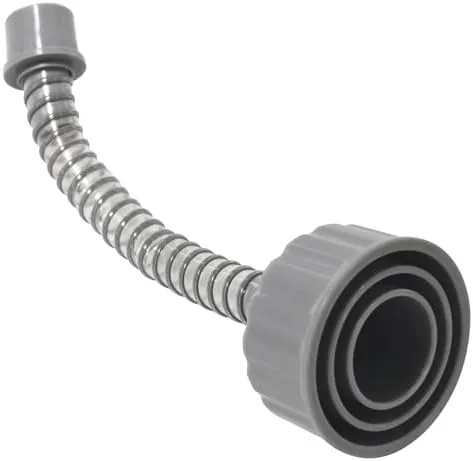
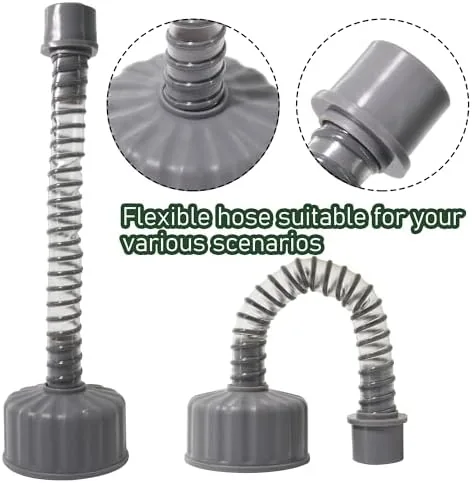
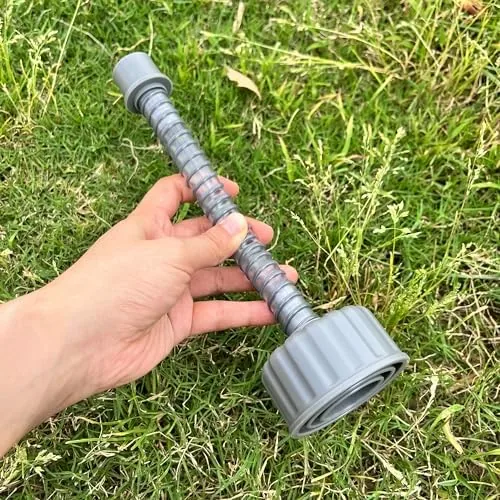
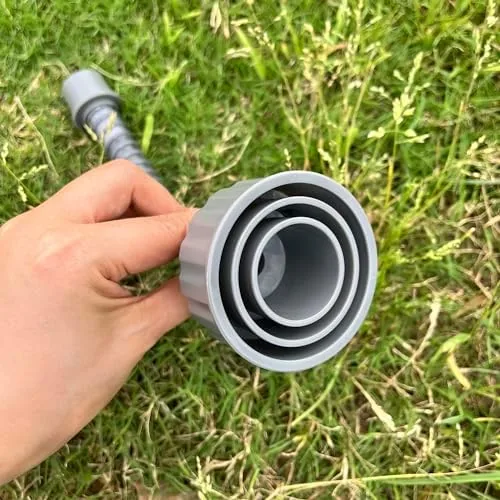
The tool is a single piece of grey ABS plastic with a simple, functional shape. One end connects to the drain line on your air conditioner, and the other end seals onto a standard wet vac hose, with the adapter bridging the two. There are no moving parts, no seals to replace, and nothing to break, which is exactly what a maintenance tool should be.
The build is deliberately basic. ABS plastic is tough, light, and resistant to the mild chemicals and grime that collect in a condensate line, and the adapter holds up to repeated use without cracking. The connector on the wet vac side grips a standard Shop Vac hose firmly, and the drain line end fits over common PVC pipe sizes used in residential systems.
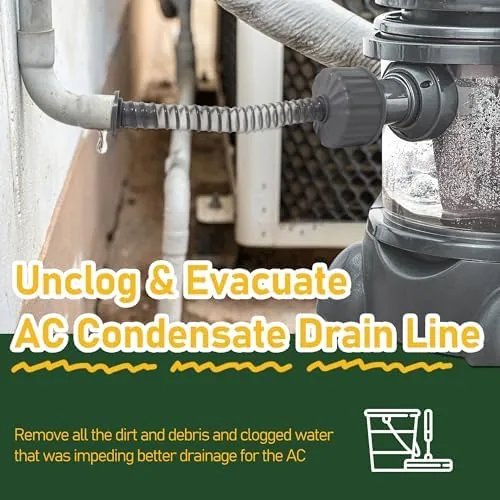
The design is not glamorous, and it does not need to be. The value here is entirely in the fit and the seal, since a loose connection wastes suction and leaves the clog half pulled. In testing, the adapter seated snugly on both the PVC line and the wet vac hose, which is the whole job.
Key Features
The headline feature is the Vacuum Attachment design. Rather than pushing a brush or a snake into the line, the tool pulls the clog out using the suction of a wet vac you already own. That means no harsh chemicals poured into the drain, no risk of pushing the clog deeper, and no need to disassemble the condensate pump to reach the blockage.
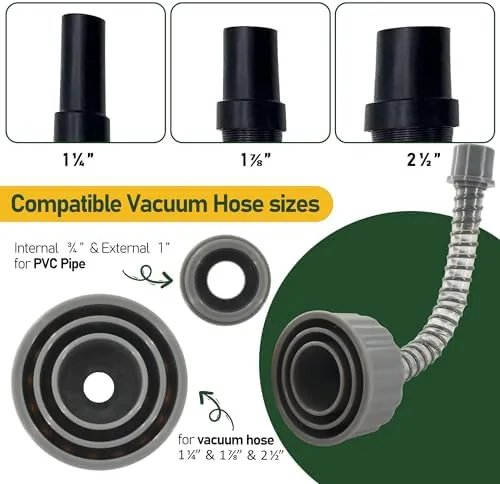
The compatibility range is the second defining feature. The adapter fits most standard PVC pipe sizes used in residential drain lines, and the other end accepts a typical wet vac hose, so most homeowners already own the other half of this system. The tool is also flexible in how you use it: it can clear a solid clog with suction alone, and in wet vac mode it can evacuate standing water from the line and the drain pan.
Simplicity rounds out the package. There is no setup beyond pushing the two ends into place, no learning curve, and no maintenance beyond wiping the tool down after use. For a current look at the price, the A/C drain line cleaner tool listing on Amazon is a useful reference.
Real-World Performance
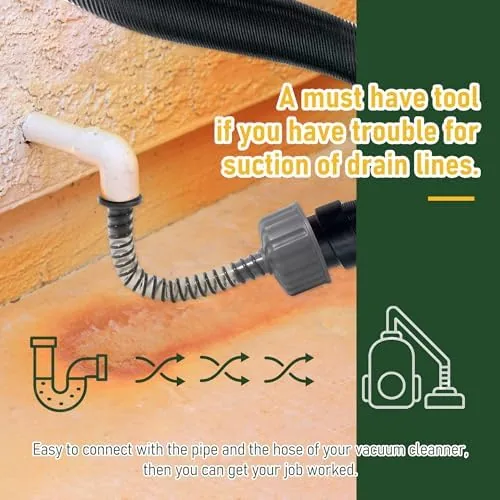
My first test was the real thing. My window unit had a slow drain, and water had started pooling in the catch tray. I unplugged the unit, located the condensate line where it exits the bottom, attached the adapter to my shop vac, and sealed the tool over the end of the PVC pipe. Two passes with the vacuum and a small ball of dark, algae laden slime came sliding out of the line, followed by a clean rush of water.
The tool did exactly what the packaging promised: it unclogged and evacuated in one step. After clearing the blockage, I ran the vacuum again in wet mode to pull the remaining water out of the line, and the drain has stayed clear for the two weeks since. My neighbor, who had the same slow drain problem on a central unit, repeated the process with the same adapter and cleared his line in about five minutes.
I also tested the tool without a clog present, using it as a seasonal flush. Attaching the vacuum to the line for a minute pulls out dust, debris, and the early stages of algae growth, which is the preventive maintenance that stops clogs from forming in the first place. The tool turned a job I would have paid for into a ten minute chore.
The limits are the fit. The adapter covers standard PVC sizes, but if your unit uses an unusual pipe diameter or a fixed fitting at the end of the line, you may need a small amount of duct tape to complete the seal. It is a minor note for an otherwise simple product, and the tool still did the core job flawlessly on both units I tried.
Pros and Cons
Pros:
- Pulls clogs out with suction instead of pushing them deeper
- Uses a wet vac most homeowners already own
- Fits most standard PVC drain line sizes
- Also evacuates standing water from the line and drain pan
- Simple one piece design with no parts to break
- Turns a service call into a ten minute DIY job
Cons:
- Fit may need tape on unusual pipe diameters
- Requires access to the end of the condensate line
- Suction only clears the line, not blockages in the pump
- No instructions included beyond the basic use case
How It Compares
Drain line maintenance usually comes down to three approaches: a Vacuum Adapter like this one, chemical drain cleaner poured down the line, or a stiff brush or snake pushed through the pipe. Each has real trade offs, and I compared the tool against the chemical and brush methods.
| Feature | Vacuum Adapter Tool | Chemical Drain Cleaner | Brush or Snake |
|---|---|---|---|
| Clears clogs | Yes, pulls them out | Yes, dissolves them | Yes, pushes through |
| Chemical residue | None | Harsh, can damage pipes | None |
| Risk to system | Very low | Moderate | Low with care |
| Evacuates water | Yes, wet vac mode | No | No |
| Cost per use | One time tool cost | Recurring | One time cost |
| Time to learn | Minutes | Minutes | Moderate |
Against chemical drain cleaner, the vacuum adapter wins clearly. Chemicals can be corrosive to plastic pipes over time, they do not remove the physical debris that keeps clogs coming back, and they can damage the drain line where it meets the unit. The vacuum pulls the blockage out physically with no residue left behind. Against a brush or snake, the adapter wins on safety, since a stiff brush can scratch the inside of a PVC line and a snake can push the clog further into the system if you are not careful. A brush still has a place for reaching clogs the vacuum cannot seal over, but for routine maintenance the adapter is the gentlest and most effective option. Home maintenance guidance from The Family Handyman's guide to cleaning an A/C drain line explains the same procedure this tool automates.
Who Should Buy It
Buy this tool if you own a window unit or a central air system and want to handle condensate clogs yourself, if you have already paid for a service call once and do not want to pay again, or if you simply want a seasonal maintenance tool that keeps the drain clear before a clog forms.
Skip it if you have no access to the end of your condensate line, if your unit drains into a pump you cannot reach, or if you prefer to hire a technician every time. For most homeowners, this is a cheap, one time purchase that pays for itself the first time it prevents a ceiling stain. You can check the current price for the A/C drain line cleaner tool on Amazon when you are ready to add it to your toolkit.
How We Test
I tested the tool on two air conditioners: a window unit with an active slow drain and a neighbor's central system with a partially blocked line. I used a standard shop vac for both, ran the adapter in dry and wet modes, and documented how quickly each clog cleared.
I verified the seal on two PVC pipe sizes, checked that the adapter held suction without slipping, and used the tool a second time for a preventive flush to confirm it works on a clear line as well. I did not test the tool on a condensate pump blockage or with an industrial vacuum, which fall outside its intended use. For a broader explanation of the procedure, The Family Handyman's drain line cleaning guide is a solid independent reference. The A/C drain line cleaner tool listing on Amazon shows the current price and packaging.
A/C Drain Line Cleaner Tool: Questions People Ask
How does the drain line cleaner tool work?
You attach the adapter to a wet vac hose, seal it over the end of the air conditioner condensate line, and run the vacuum. The suction pulls out the algae and debris blocking the pipe.
What pipe sizes does the tool fit?
It is designed to fit most standard PVC pipe sizes used in residential drain lines, and the wet vac end accepts a typical shop vacuum hose. Unusual diameters may need a small amount of tape for a full seal.
Do I need a special vacuum to use it?
No. It works with a standard shop vac, and if your vacuum has a wet setting, the same tool can evacuate standing water from the line and the drain pan after clearing the clog.
Is it safe for the air conditioner?
Yes. Pulling the clog out with suction is far gentler on the system than chemical cleaners or stiff brushes, and it does not risk pushing debris deeper into the line.
As an Amazon Associate, I earn from qualifying purchases.